
Picking The Right Oil
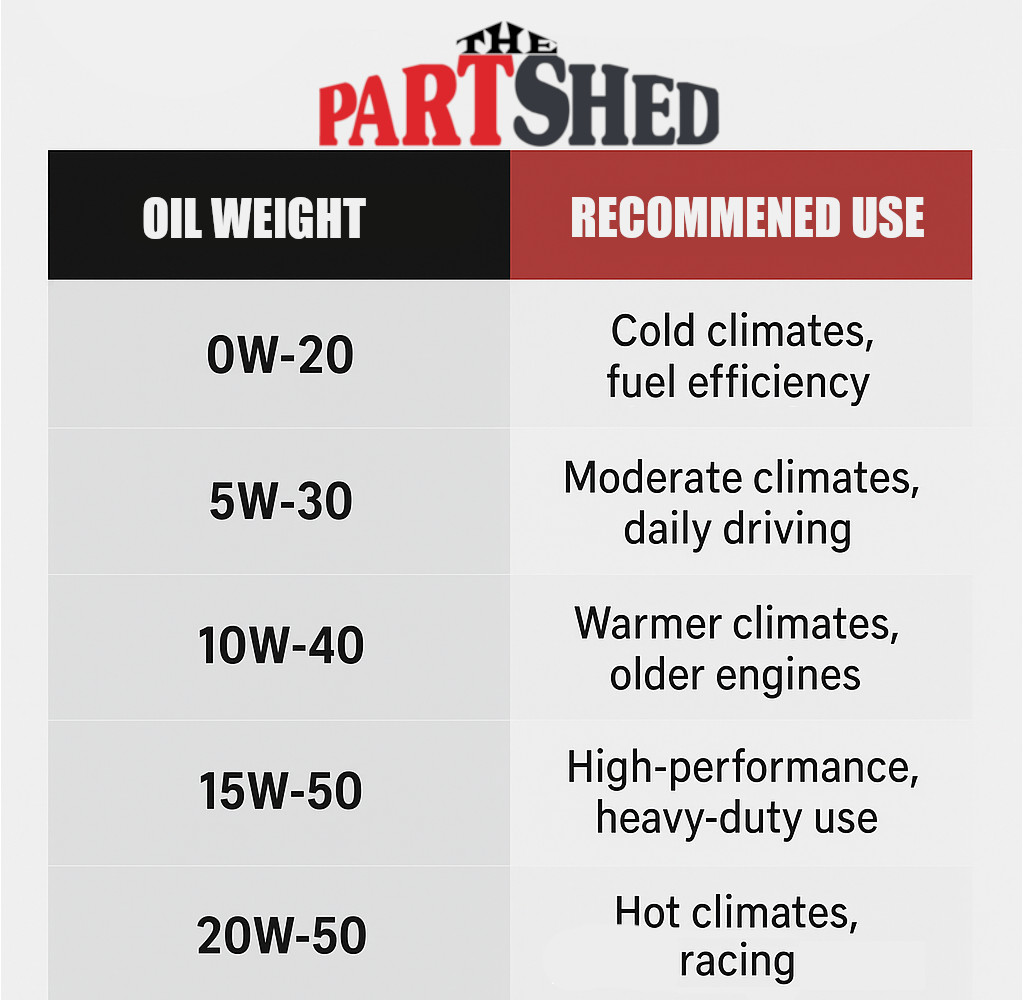
One of the most common questions we hear is “what weight oil should I use in my machine”? While this question is best answered by the Owner’s Manual, other variables like Climate, Engine Age, and Type of Use also play part in choosing which oil is best for your machine.
What is Oil Viscosity?
Understanding viscosity is the first step in choosing the right oil for your machine. Viscosity refers to a fluid’s resistance to flow. In simpler terms, it describes how thick or thin a liquid is—thicker oils flow more slowly, while thinner oils flow more easily.
Viscosity Measurements
There are two types of oil viscosity grades.
· Single-grade oils (e.g., SAE 30) have a fixed viscosity at a specific temperature.
· Multi-grade oils (e.g., SAE 10W-30) are designed to perform well across a range of temperatures.
Today, most modern machines use multi-grade oils due to their versatility.
Breaking down 10W-30 Measurement
10W: The "W" stands for WINTER. This number indicates how the oil flows at cold temperatures. Lower numbers mean thinner oil and better cold-weather performance.
30: This is the viscosity at operating temperature (typically around 100°C or 212°F). Higher numbers mean thicker oil at high temperatures.
In short, the first number (with the "W") tells you how the oil performs in cold weather, and the second number tells you how it performs when the engine is hot.
Synthetic Vs Mineral
Choosing between synthetic and mineral oil can be overwhelming, especially with so many opinions out there. The key is to match the oil type to your machine’s needs and how you use it.
Mineral oil is great for:
· Light duty applications
· Mild climates
· Older vehicles with simpler engines
Synthetic oil is great for:
· High Performance engines
· Extreme Temperatures (Hot or Cold)
· Heavy Duty Applications
· Long Distance Riding
· Stop and Go Riding
Quick Tip: It is not recommended to switch back and forth between Synthetic Oil and Mineral Oil. Once Synthetic Oil is used, it is recommended to continue using Synthetic Oil.
OEM or Aftermarket oil?
With so many oil brands available, it’s easy to feel overwhelmed. Should you stick with OEM oil, or try trusted aftermarket brands like Amsoil, Bel-Ray, or Maxima? That boils down to personal preference. While OEM oil is tested and approved by manufacturers, many aftermarket oils have made impressive advancements. If you’re considering aftermarket options, we highly recommend Maxima and Bel-Ray for their proven performance. Check out our Oil Change Kits page to see pre-made kits!
Choosing the Right Viscosity
Cold climates: Use lower "W" ratings (e.g., 0W or 5W).
Hot climates or heavy-duty engines: Use higher second numbers (e.g., 40 or 50).
Manufacturer recommendation: Always follow the engine maker’s specs for optimal performance and longevity.
Quick Tip: Always check your Owner’s Manual first, then consider climate and usage to fine-tune your choice.
Choosing the right oil isn’t one-size-fits-all — it’s about finding the balance between your machine’s needs, the climate you ride in, and how you use it. A little extra attention to viscosity and quality today can mean smoother performance and a longer engine life tomorrow. When in doubt, consult your manual and choose oil you can trust.
Happy Riding!
